

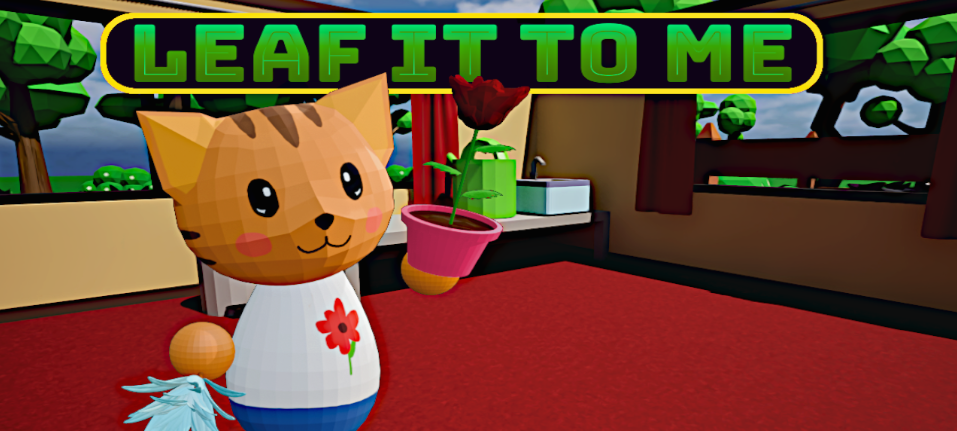
Short Description
Leaf It To Me is a top-down management game in which the player is tested as a plant caretaker: the goal is to keep 20 living plants alive at the same time by meeting their light, neighborhood, and supply requirements (water, fertilizer, dusting, pest control) in time. It is a supply-management game under time pressure.
Background
Developed for Shovel Jam 2025 (July 11, 2025 – July 21, 2025). Team: 4 people — me (initially primarily an artist, later also a programmer), one additional artist (character meshes & textures), and two programmers (polish/support/grid system). My goal in taking part was both to test my artistic talent and to create a short, fun prototype with a strong focus on a varied gameplay loop.
Gameplay
- The player manages a room divided into a grid; each grid slot has a specific light intensity (depending on how close it is to the windows).
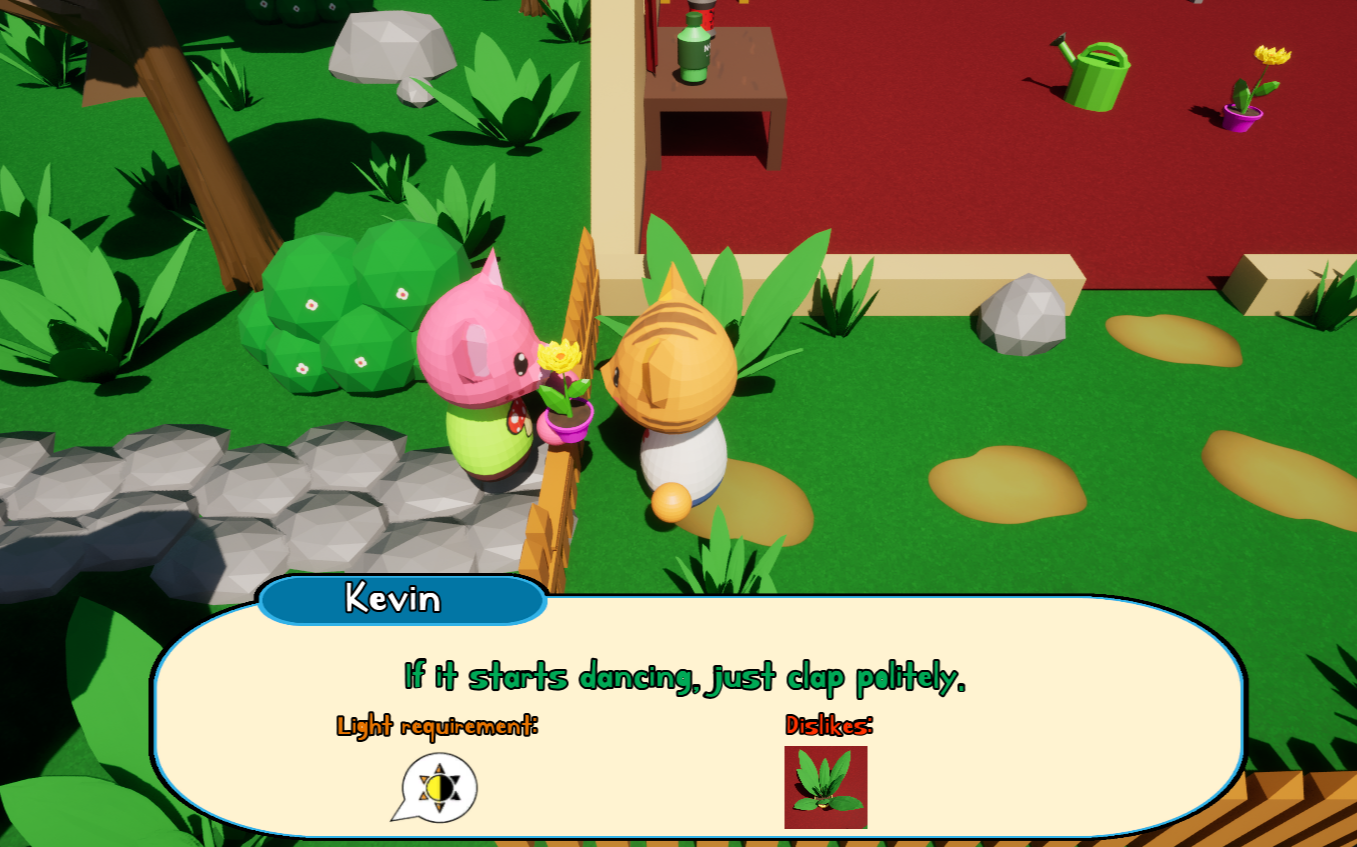
- Every 30 seconds, random NPCs appear at the fence and offer the player plants (a small text UI explains the requirements of each plant).
- Plants have requirements: the correct light level, placement compatibility (some plants cannot be placed next to certain others), and periodically recurring needs (water, fertilizer, dusting, pest control).
- By interacting with a plant while a tool is equipped, the plant’s corresponding needs are fulfilled (watering can -> water the plant; fertilizer -> fix nutrient deficiency; pesticide -> pest control; feather duster -> dusting).
- Withered plants can be thrown into the trash can; once the trash can is full, its contents must be taken to the compost before it can be used again.
- Plants grant buffs (e.g. movement speed, a larger watering can, a larger trash can).
- Lose condition: more than half of the currently existing plants wither → Game Over. The goal is to keep 20 plants alive at the same time.
- Development & Technology -
Technical Details
- Engine: Unreal Engine (Blueprints / Visual Scripting)
- Source Control: GitHub
- Team: 4 people (dual role profile: artist → later additional gameplay programmer)
- Plant requirements are fulfilled through interaction with equipped tools: watering can (water), fertilizer (nutrient deficiency), feather duster (dust), pesticide (pest infestation).
- Development time: July 11, 2025 – July 21, 2025 (jam phase)
- Assets: all 3D models created entirely by me (Blender: modeled, textured, animated) — focus on performance and a low poly count
- Status: Jam prototype
Features
Plants
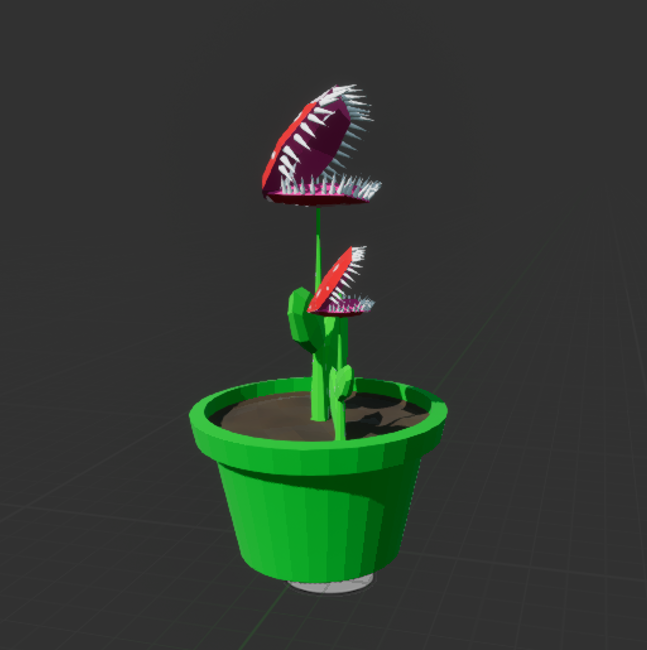
Biter Plant
- Light requirement: shady
- Neighborhood incompatibility: Green Plant
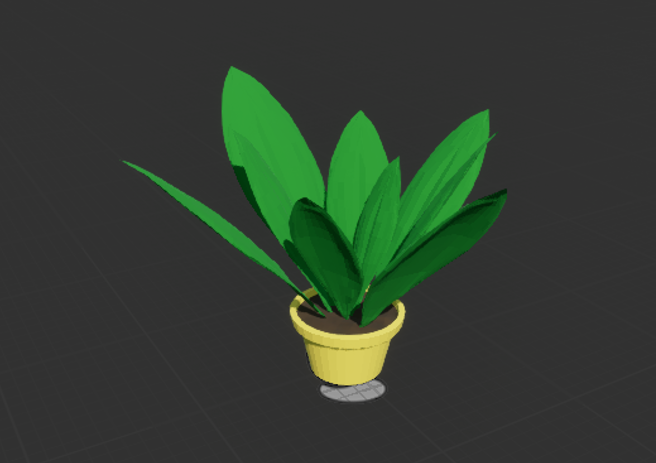
Green Plant
- Light requirement: partial shade.
- Neighborhood incompatibility: Yellow Plant
Yellow Plant
- Light requirement: sunny
- Neighborhood incompatibility: Biter Plant
Tools
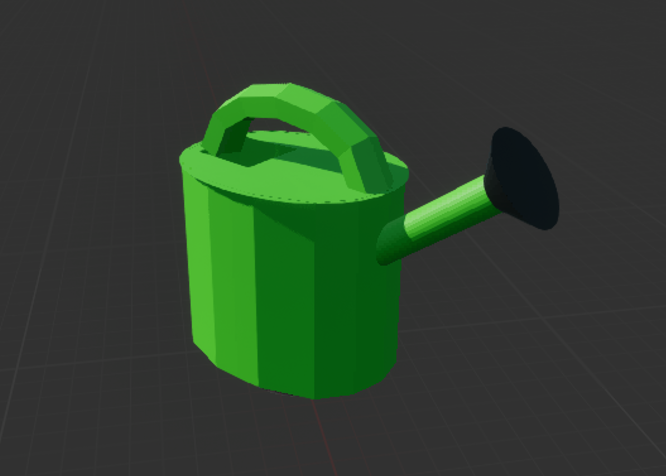
Watering Can
Allows the player to water plants. Must be refilled at the sink.
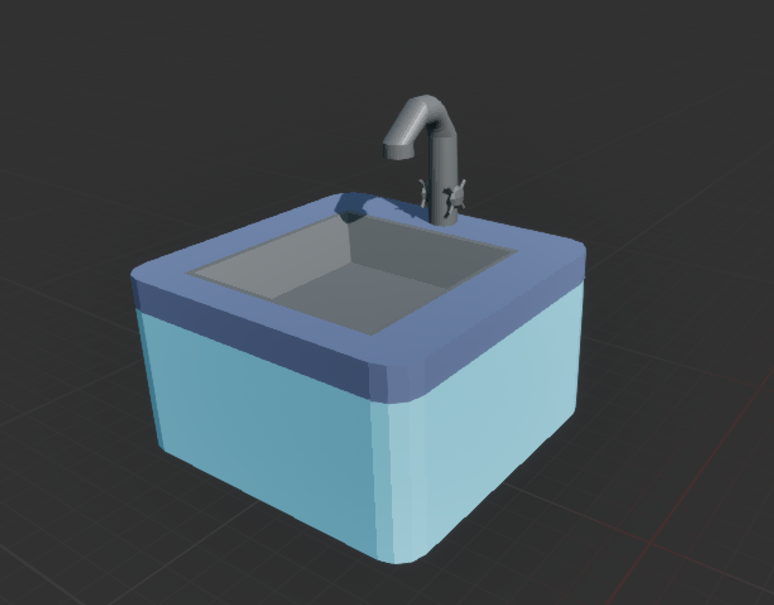
Sink
Interact while the watering can is equipped -> the watering can is refilled
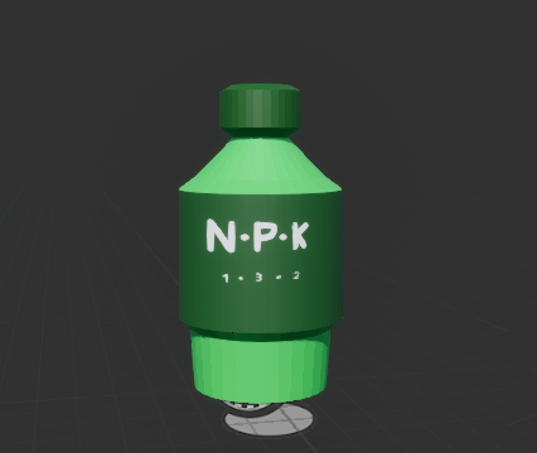
Fertilizer
Restores a plant’s nutrient needs.
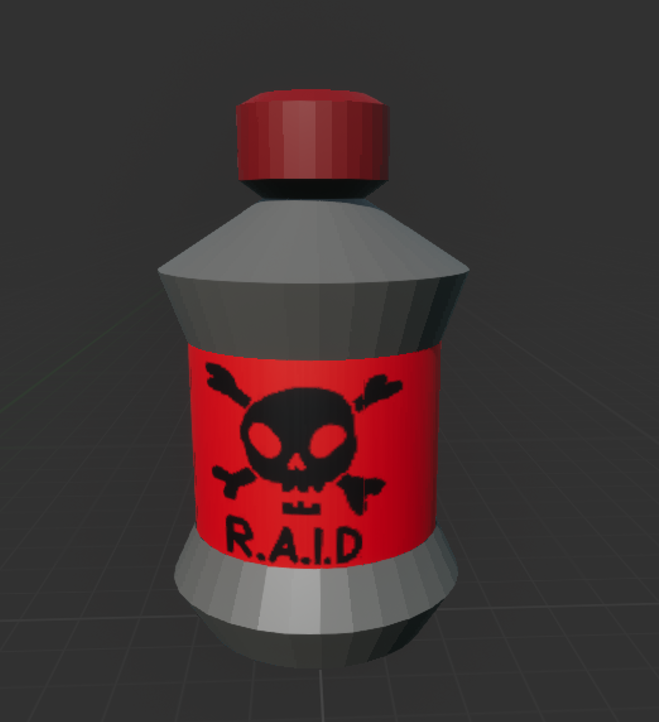
Pesticide
Fights plant pests
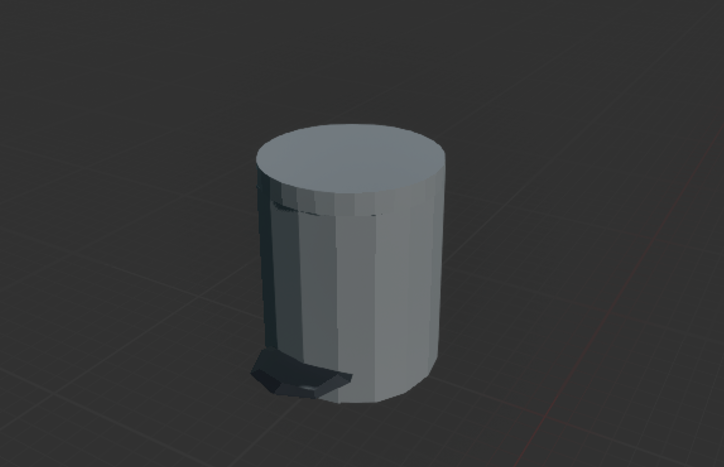
Trash Can
Interact while equipped with a withered plant -> the plant is discarded. Must be emptied when full. (Equip the trash bag and interact with the compost)
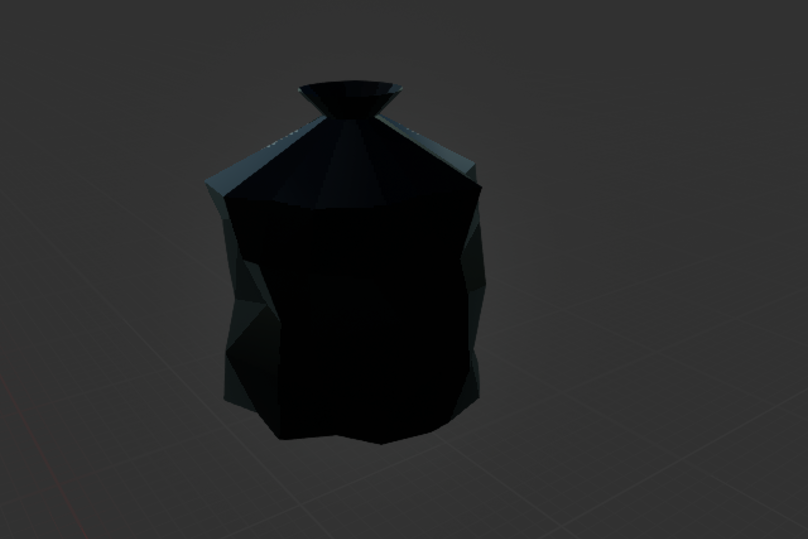
Trash Bag
Interact with the full trash can while no item is equipped -> the trash bag is equipped. It must be disposed of at the compost.
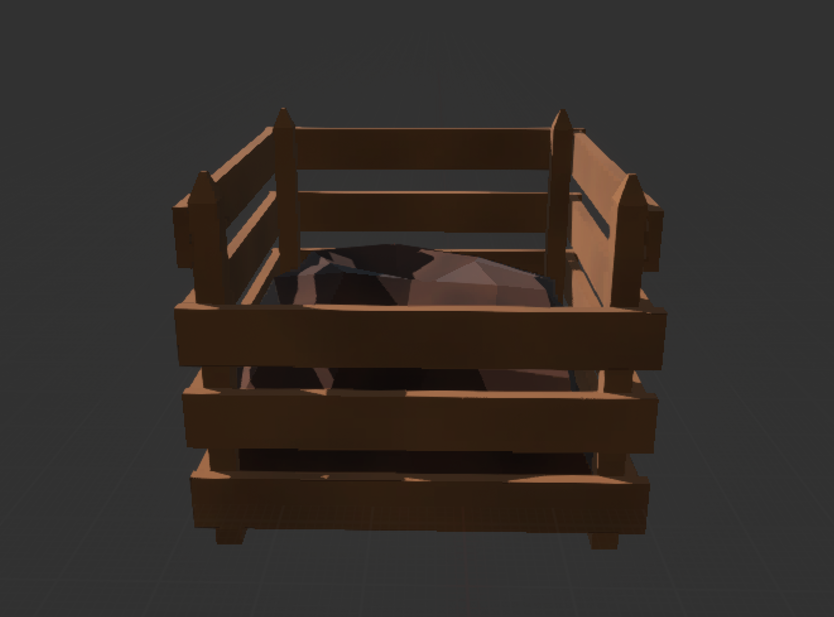
Compost
Interact while the trash bag is equipped -> the trash is disposed of. The compost never fills up.
Challenge → Solution Approach
- Challenge: completing the planned full gameplay loop within the jam time; before that, my role had been primarily artistic.
- ->Solution: After a few days, I switched to programming and prioritized implementing the core systems: tool interactions (F), timer logic for plant requirements, NPCs, UI, and win/lose conditions. This made the loop playable, even though there was still unfortunately little time left for balancing and QA.
- Challenge: performance risks due to many assets.
- ->Solution: I modeled all 3D assets myself (Blender). Focus on performance through a low poly count.
Learnings
- Role flexibility is valuable: artistic skills helped with quickly creating the 3D models, and later switching to gameplay programming made the loop playable at all.
- Early playtesting / balancing is essential — the lack of playtesting time led to plants withering too quickly and the difficulty being too high.
- Prioritization: quick gameplay essentials (interaction, timers, tools, NPCs) secure the playable core.
Art
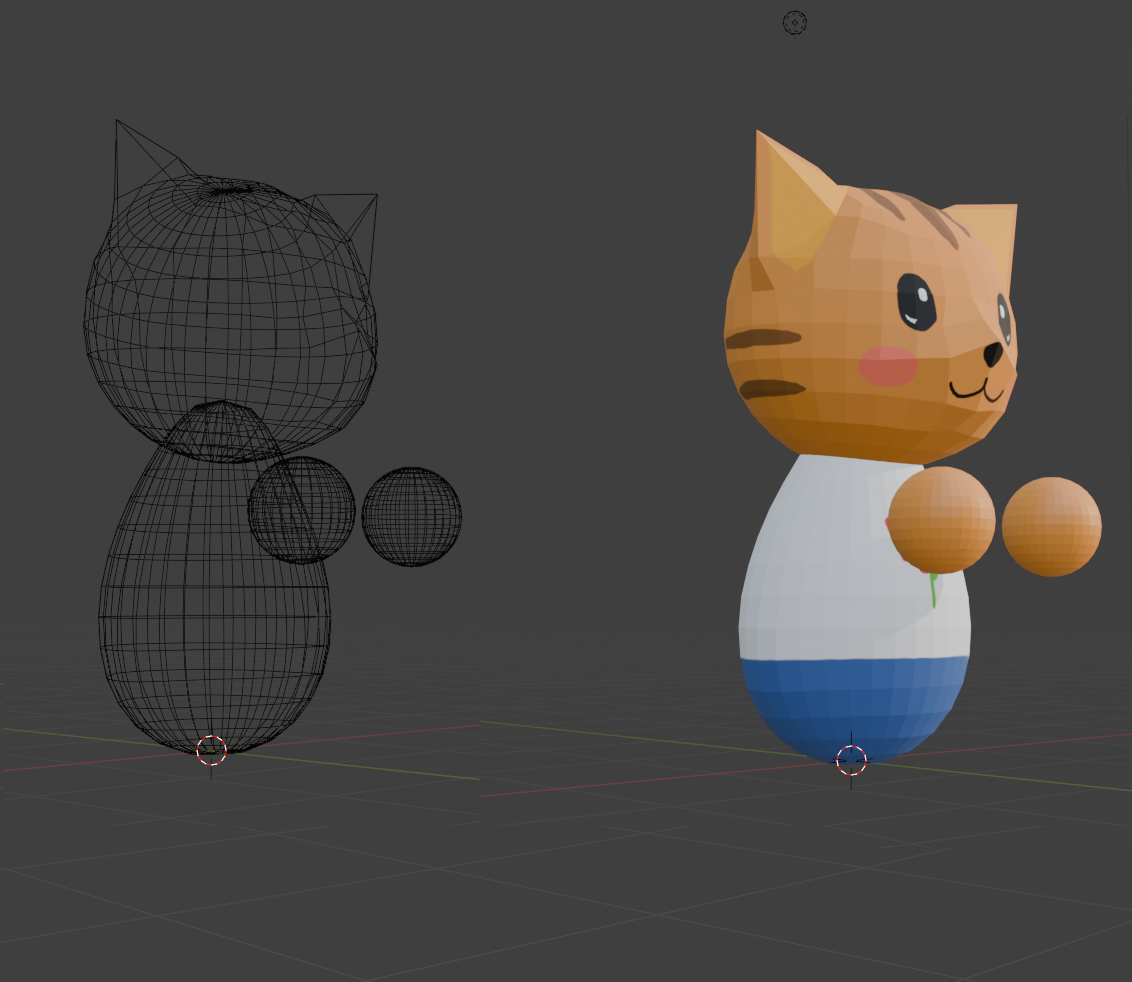
- Creating 3D meshes for: plants, tools, environment (Blender)
- Creating animations for: characters, plants (water shortage -> leaves droop) (Blender)
- Creating textures for: simple meshes (Blender)
Plants
Biter Plant
Mesh created by me: Yes
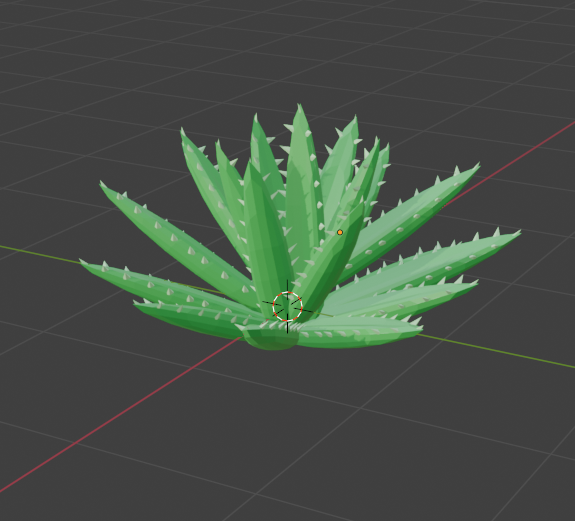
Aloe Vera
Mesh created by me: Yes
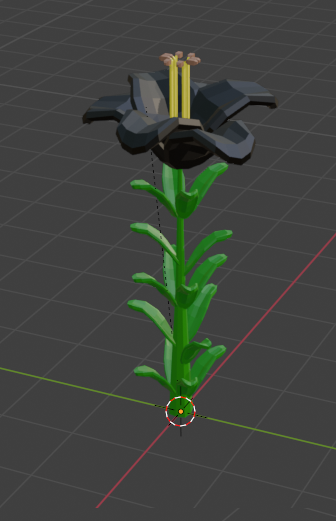
Black Flower
Mesh created by me: Yes
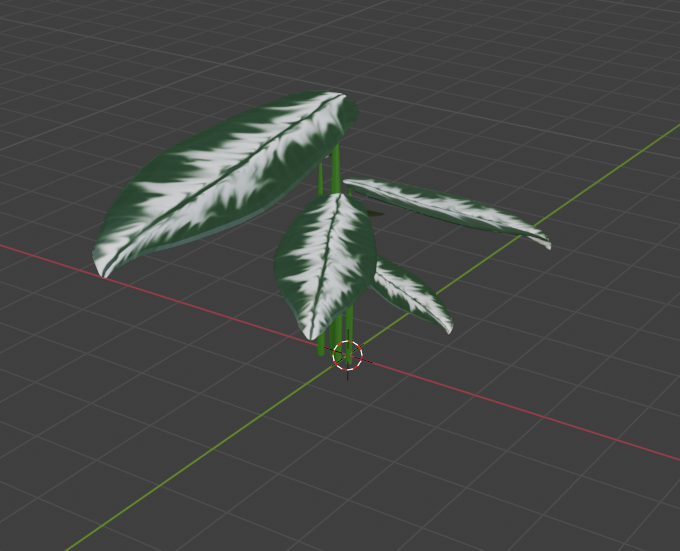
Dieffenbachia
Mesh created by me: Yes
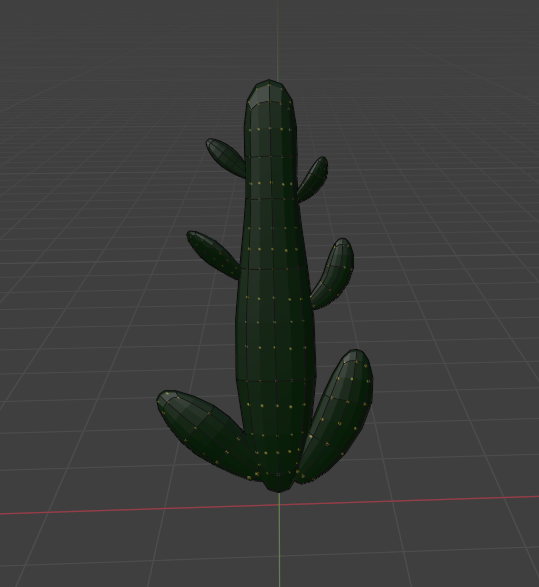
Cactus
Mesh created by me: Yes
Tools
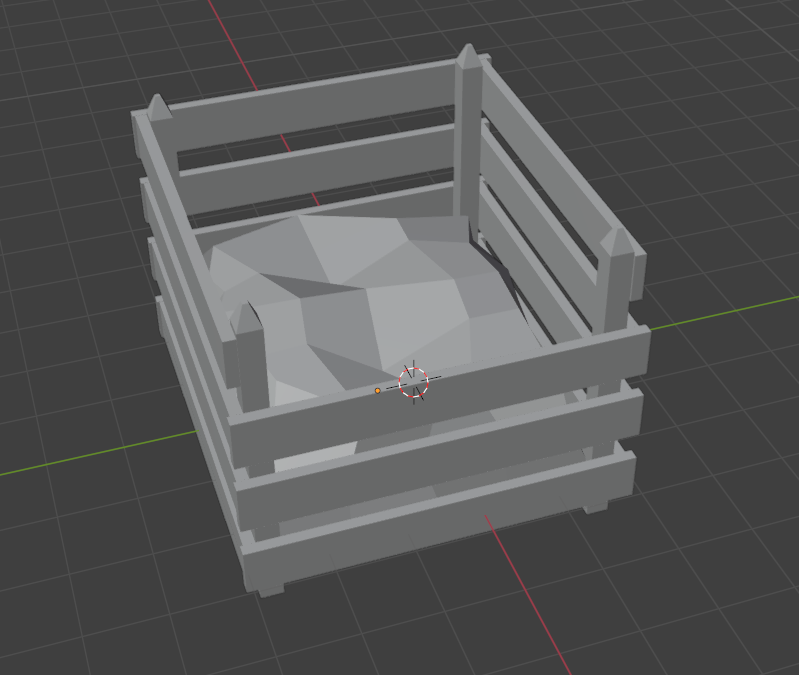
Compost
Mesh created by me: Yes
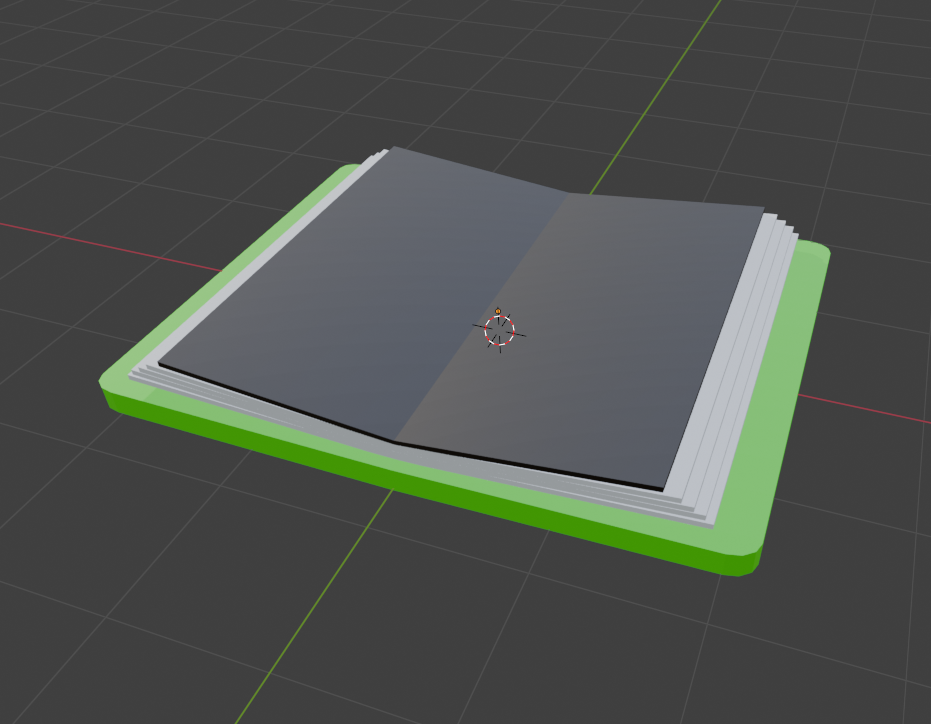
Guidebook
Mesh created by me: Yes
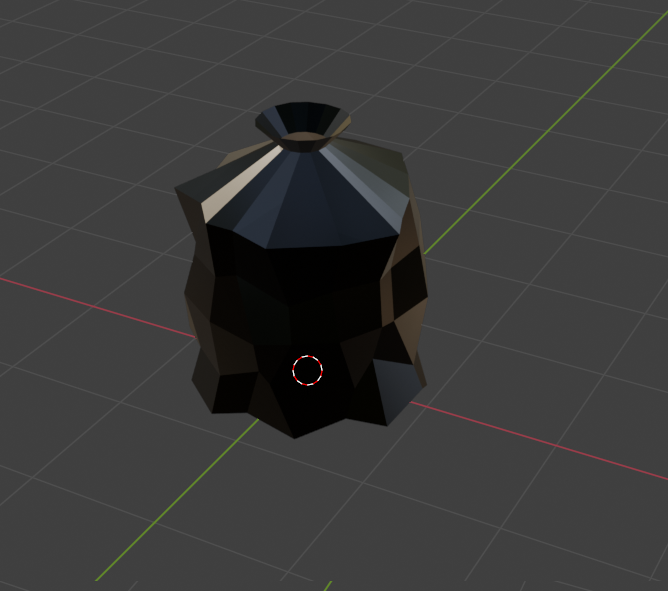
Trash Bag
Mesh created by me: Yes
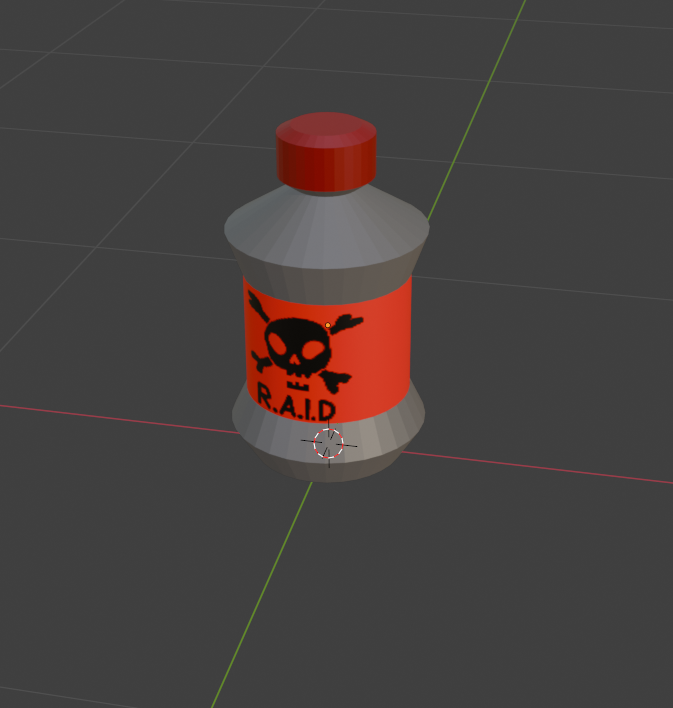
Gift
Mesh created by me: Yes
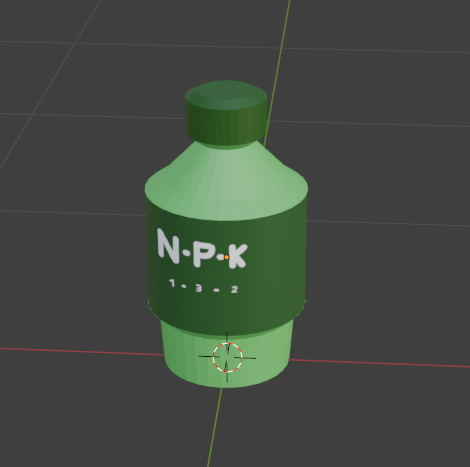
Fertilizer
Mesh created by me: Yes
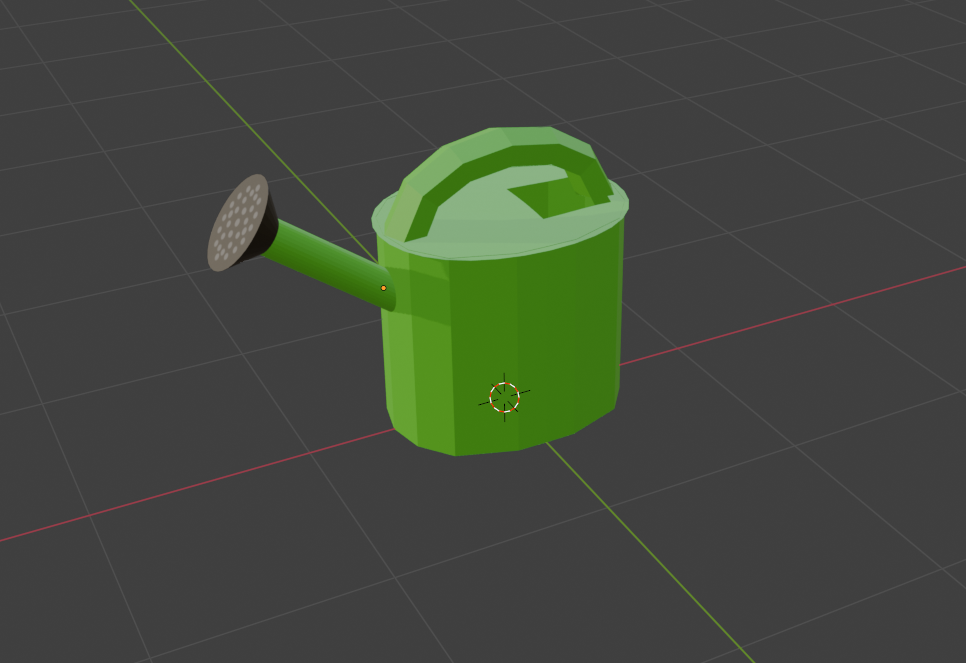
Watering Can
Mesh created by me: Yes
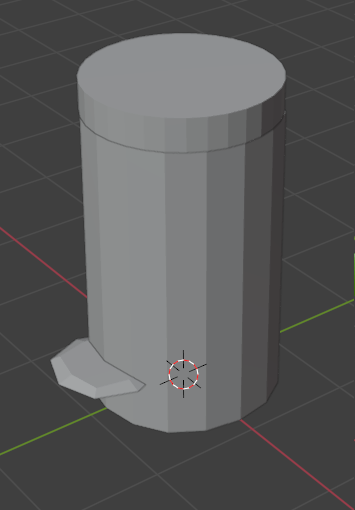
Trash Can
Mesh created by me: Yes
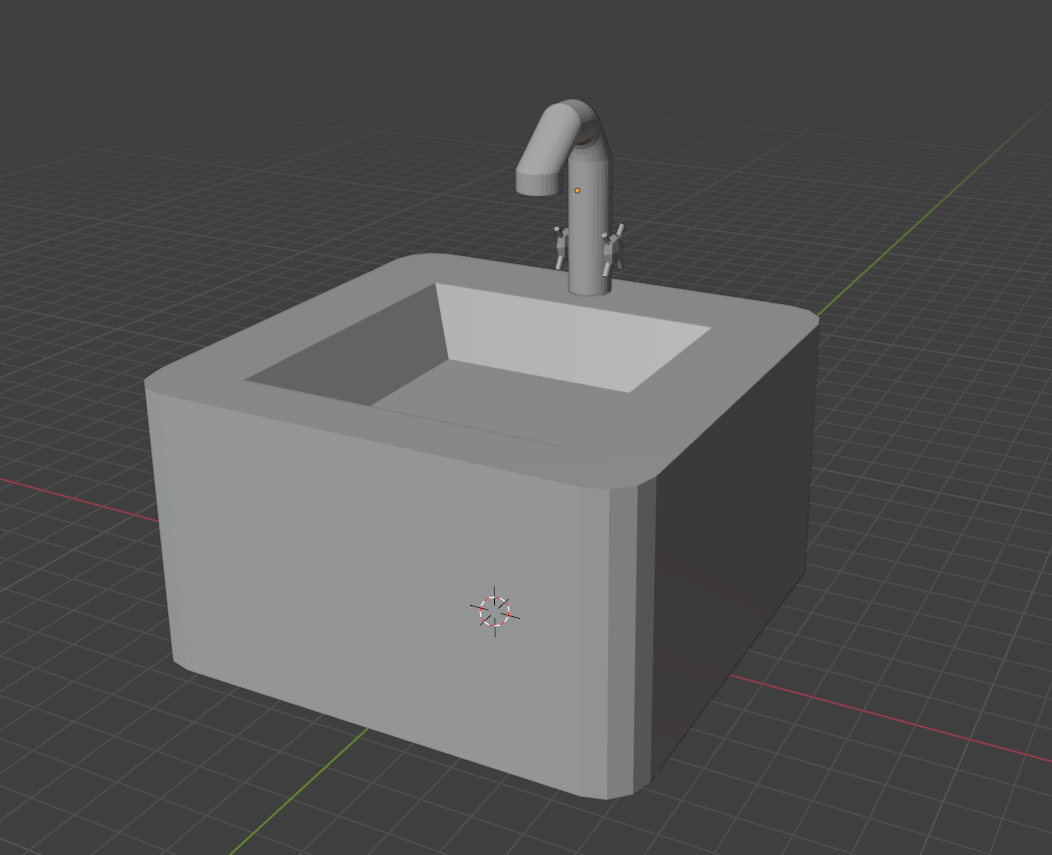
Sink
Mesh created by me: Yes
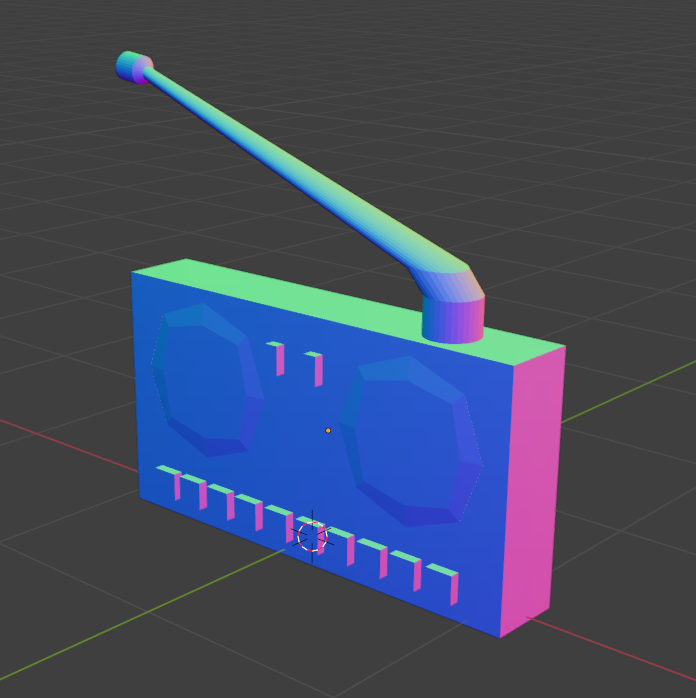
Radio
Mesh created by me: Yes
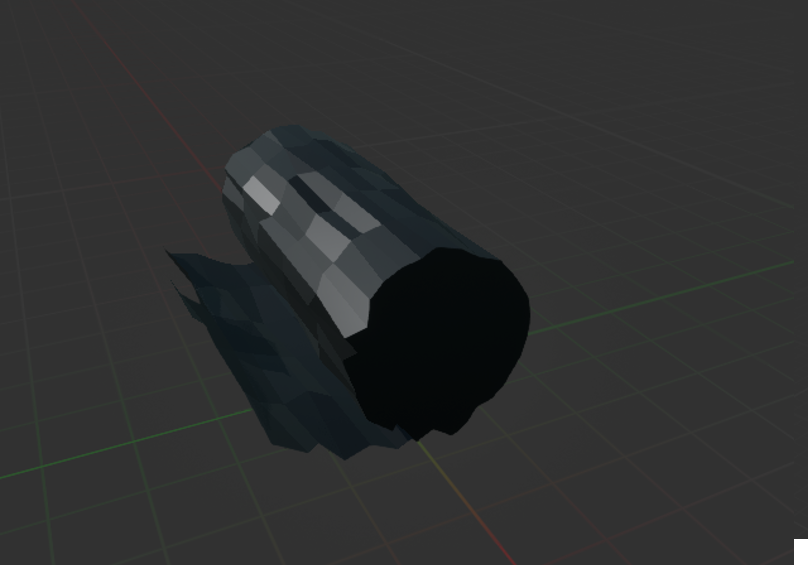
Trash Bag Roll
Mesh created by me: Yes
Umgebung
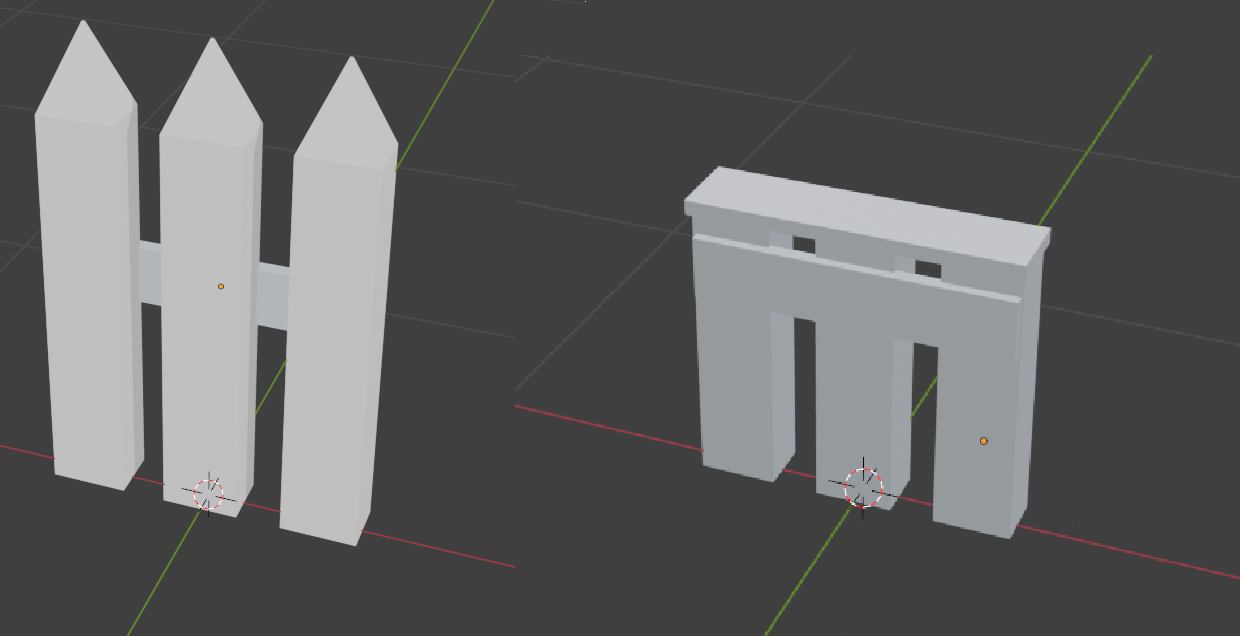
Fences
Mesh created by me: Yes
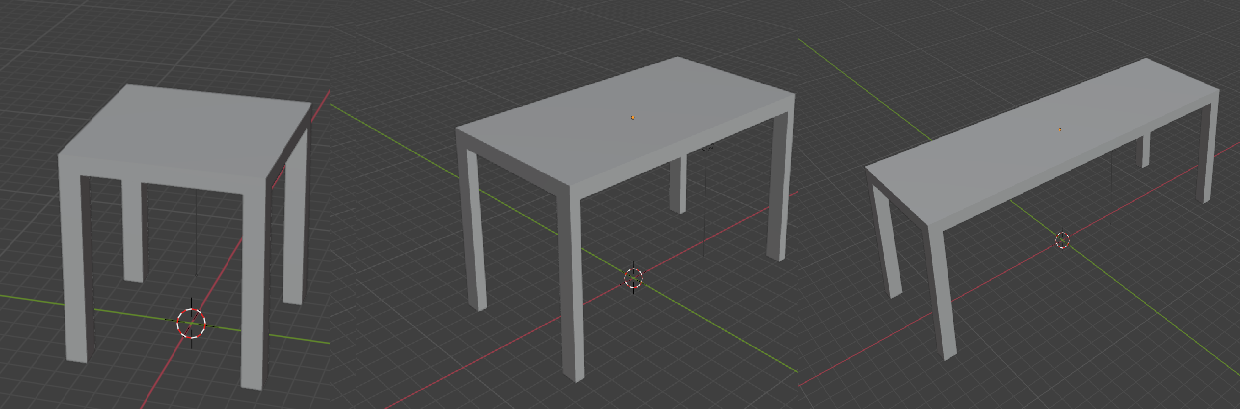
Tables
Mesh created by me: Yes
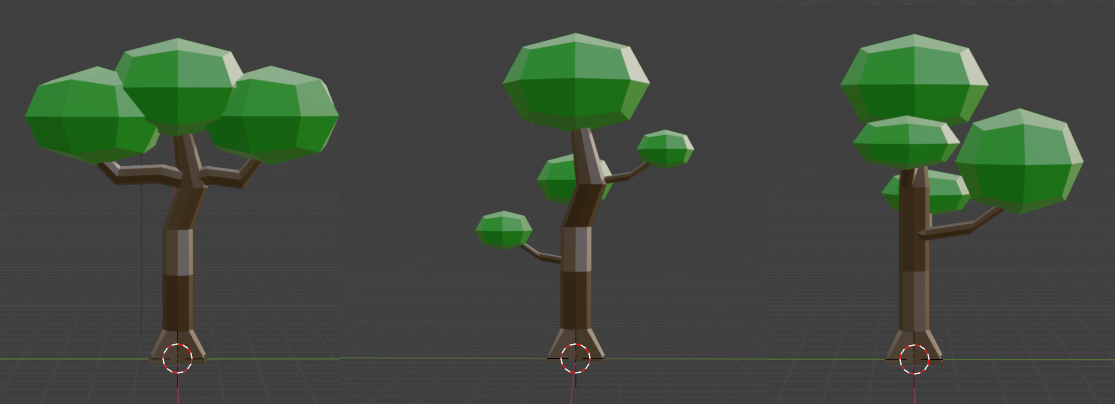
Trees
Mesh created by me: Yes
Animations

Walking
